

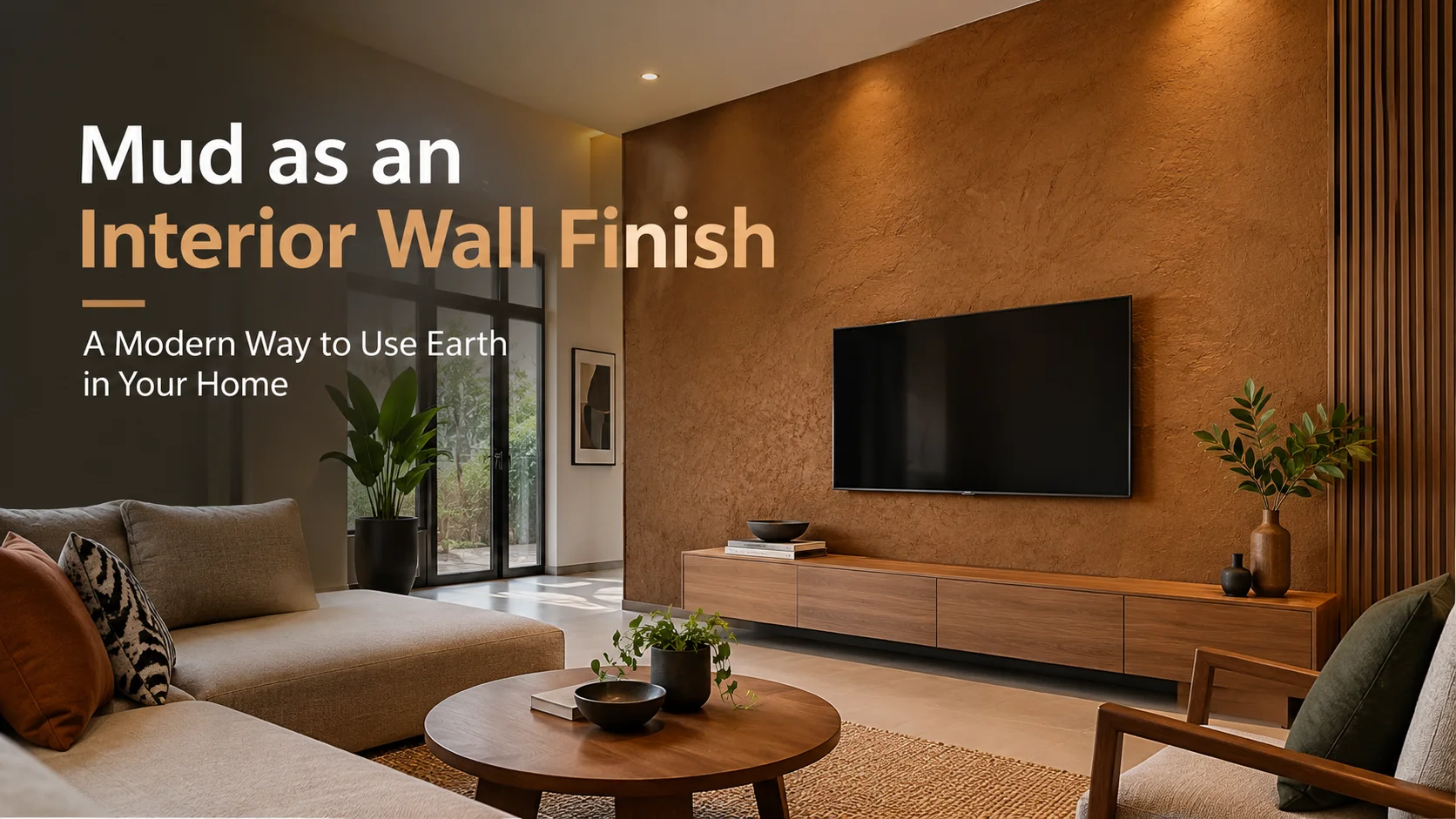
Mud as an Interior Wall Finish: A Modern Way to Use Earth in Your Home
When people hear the words “mud house,” a particular picture usually comes to mind. An old village house with cracked walls, with rain washing away the surfaces.
Maybe a house somewhere in the village that looked beautiful when it was new but gradually became something you would rather not live in.
So, when you tell someone, “You can actually use mud in your modern home,” the first reaction is often: “Mud kwa? In this Nigeria? In 2026?” And honestly, I understand the shock and the question.
There are very real reasons why people are skeptical about building with mud. We have seen buildings fail. We have seen walls get damaged by rain. We have seen poorly constructed houses deteriorate quickly, but the problem isn’t necessarily mud itself.
Like every other building material, earth has its strengths, limitations and conditions under which it performs best. The performance of an earthen wall or finish depends on the soil composition, how the material is prepared, how it is applied, where it is used, how it is protected from moisture and how it is maintained.
Read Also: Laterite and Clay: Your best block wall for Sustainability.
And more importantly, you don’t even have to build your entire house with mud to enjoy what earth can bring to a home. You can introduce it in small, intentional ways and still have a house that looks completely modern.
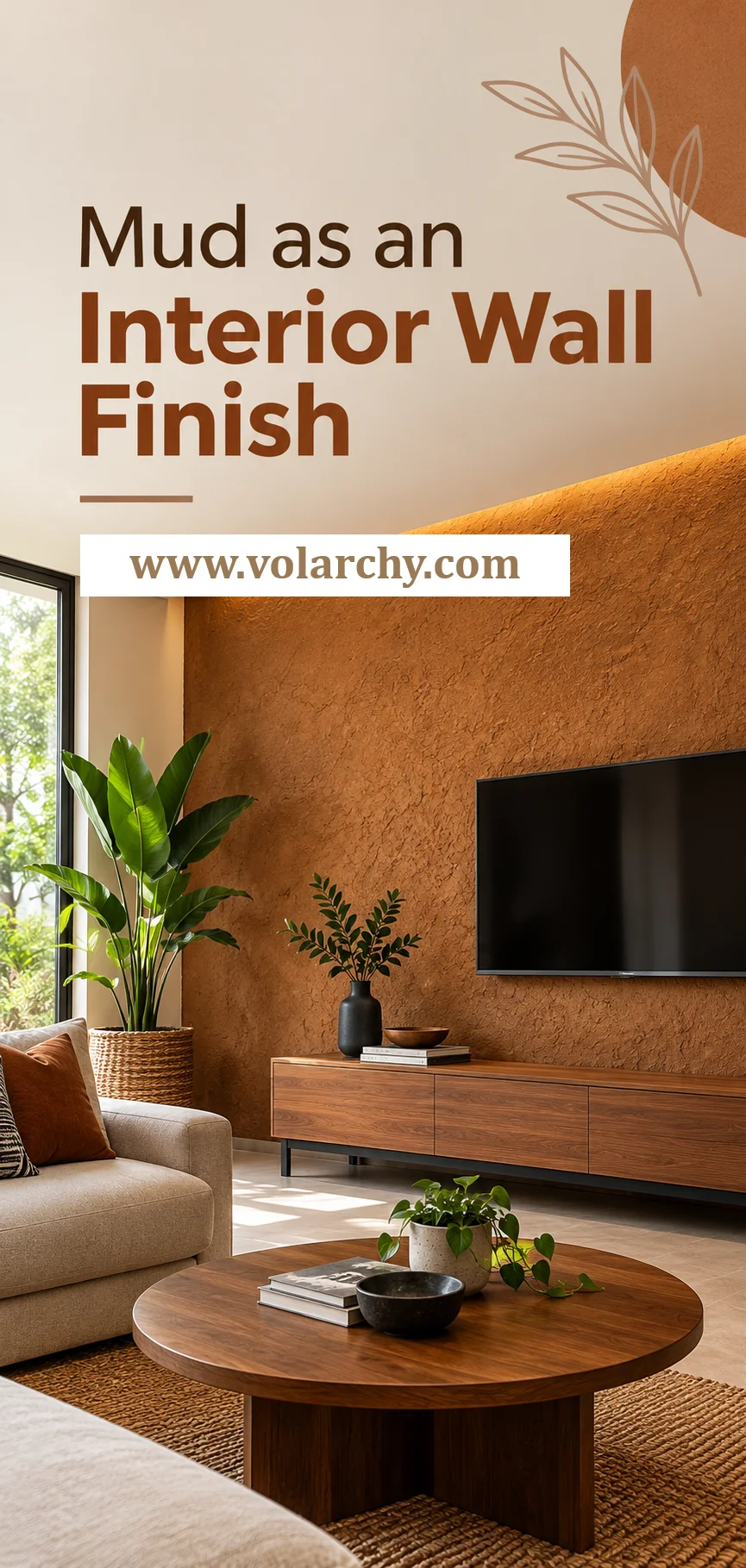
Over the next series of posts, I will be showing you the various ways you can use mud in your home without building fully with mud. Consider each use a test-drive with mud before ever attempting a full mud house construction.
Use mud as an interior wall finish
Imagine walking into a modern living room. The walls are generally plain, flat, simple and painted, but one wall has a warm, earthy texture. Instead of the usual painted wall, tiles, wallpaper or woodwork, you have an earthen finish that gives the room a different character.
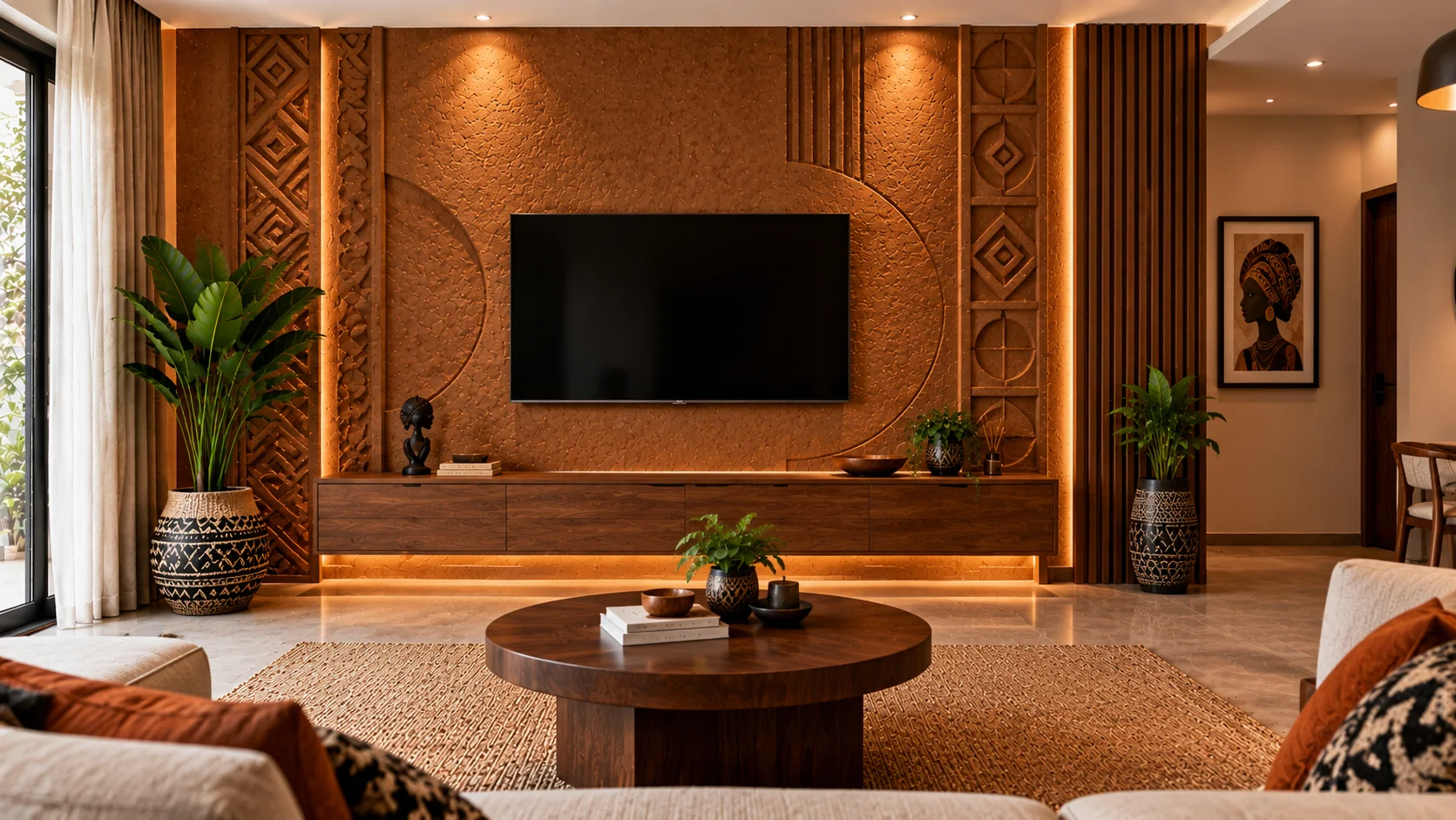
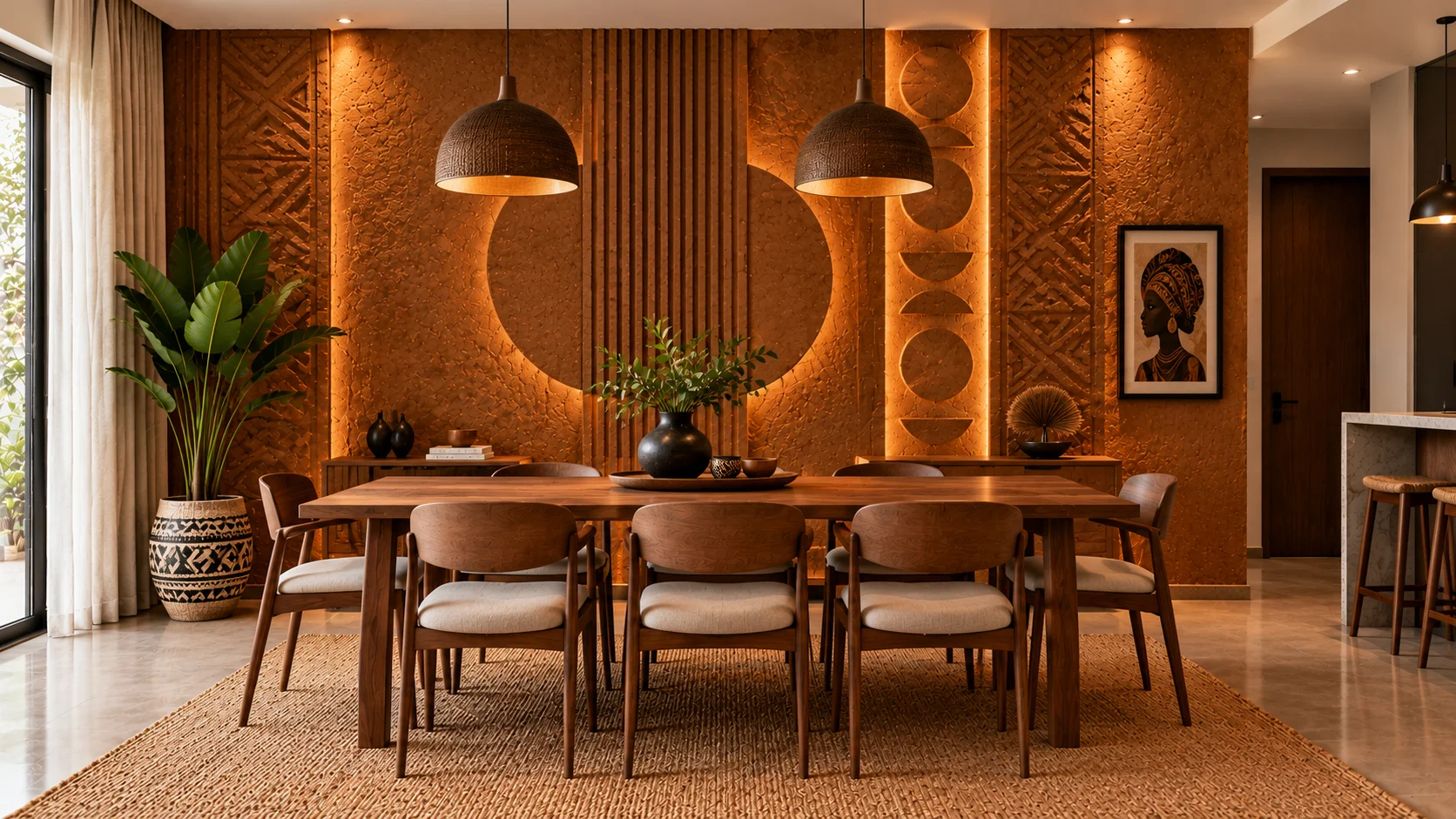
Depending on how the material is prepared and applied, the finish can be smooth and understated or have a more textured, handcrafted appearance. You can leave it relatively flat, or introduce patterns and textures that suit the design of the space. It doesn’t have to look rough or unfinished simply because it is made from earth.
You don’t need to cover every wall in the house. Instead, you can choose specific walls in selected spaces. It could be
→ the wall behind your TV,
→ the wall behind your dining table,
→ your bedroom headboard wall,
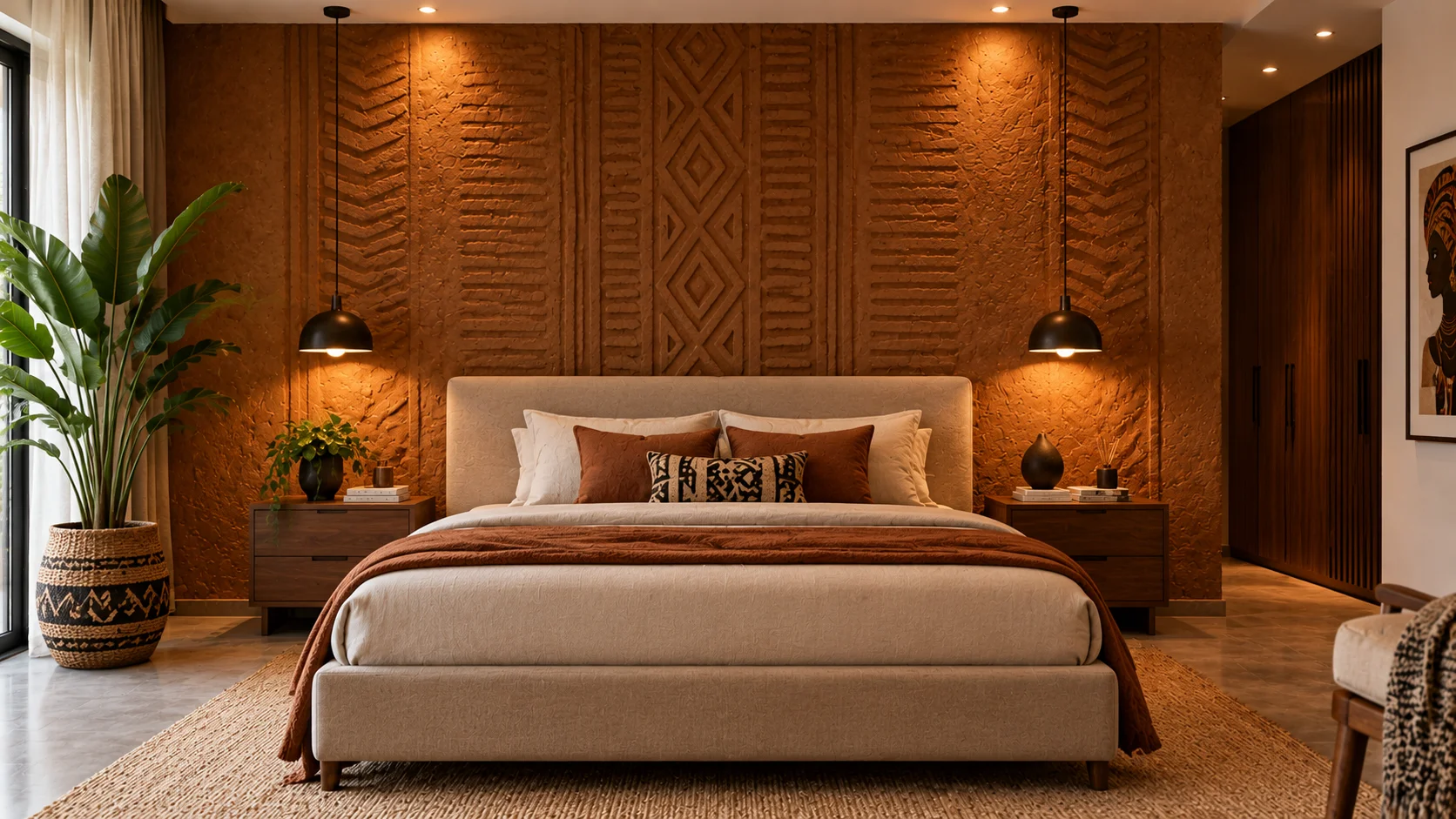
→ the wall along a staircase,
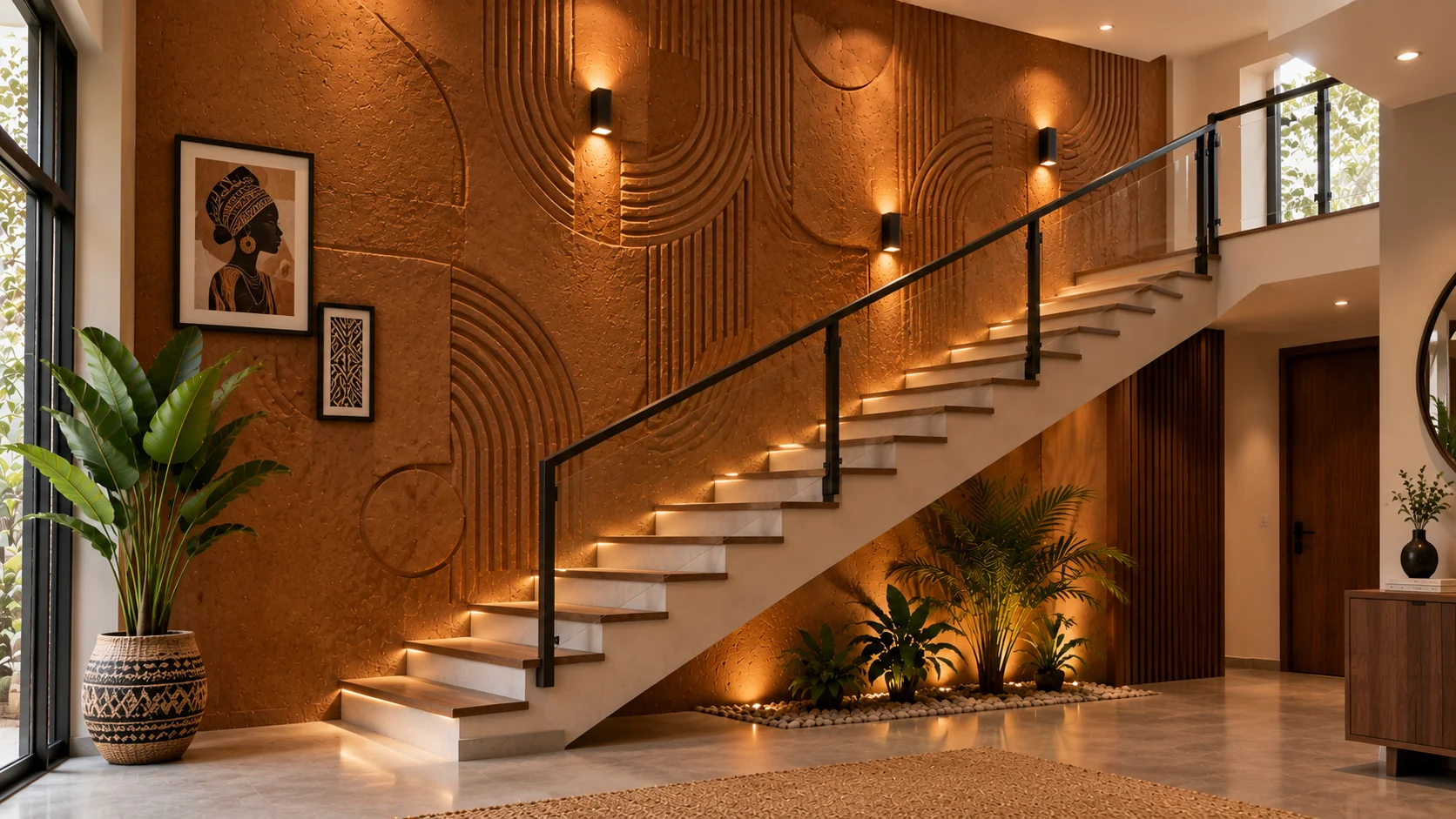
→ or even the entrance lobby.
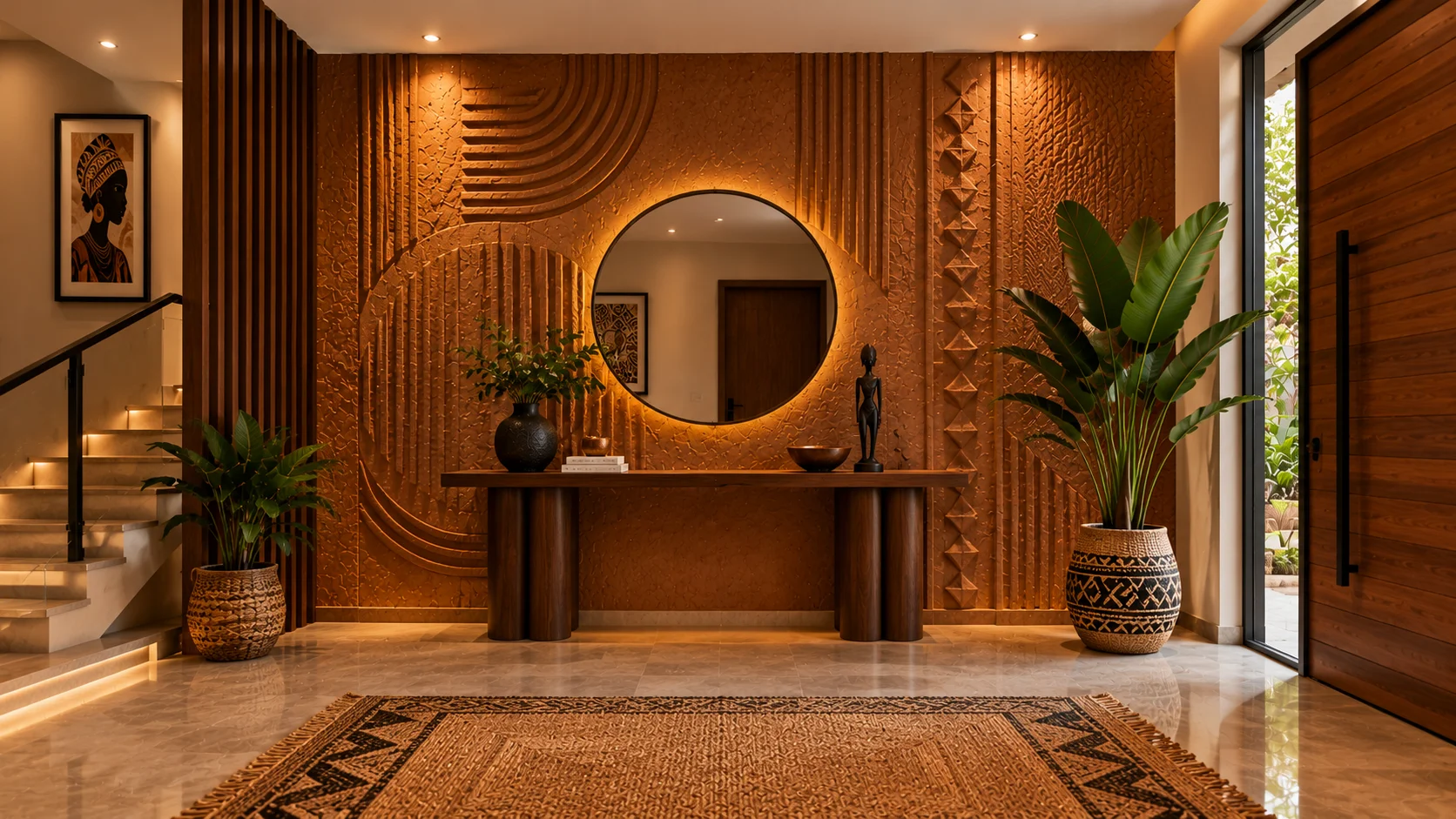
For interior design, this is one of those situations where less can actually be more. A single earthen feature wall can introduce warmth and texture without overwhelming the rest of the room. Sometimes, you don’t need to do too much to make a space feel different.
You also don’t need to make your house look like a traditional compound to use mud indoors. You can combine the earthy appearance of an earthen finish with glass, concrete, timber, metal and modern furniture. The result can be contemporary, warm and distinctly personal.
Read Also: Q&A 3: What is a Mud House in Modern Architecture?
Of course, not every wall is suitable for this treatment. The condition of the existing wall, the moisture levels in the space and the type of earthen finish being used all matter. Areas that experience persistent dampness or frequent splashing need particular attention before an earthen finish is considered.
But when the material is properly selected and applied in a suitable space, an earthen wall finish can be an interesting way to bring natural materials into a modern home without changing your entire approach to construction.
***
Don’t want to do this by yourself? Send us a message on WhatsApp, and let’s explore how to make it work for your space.