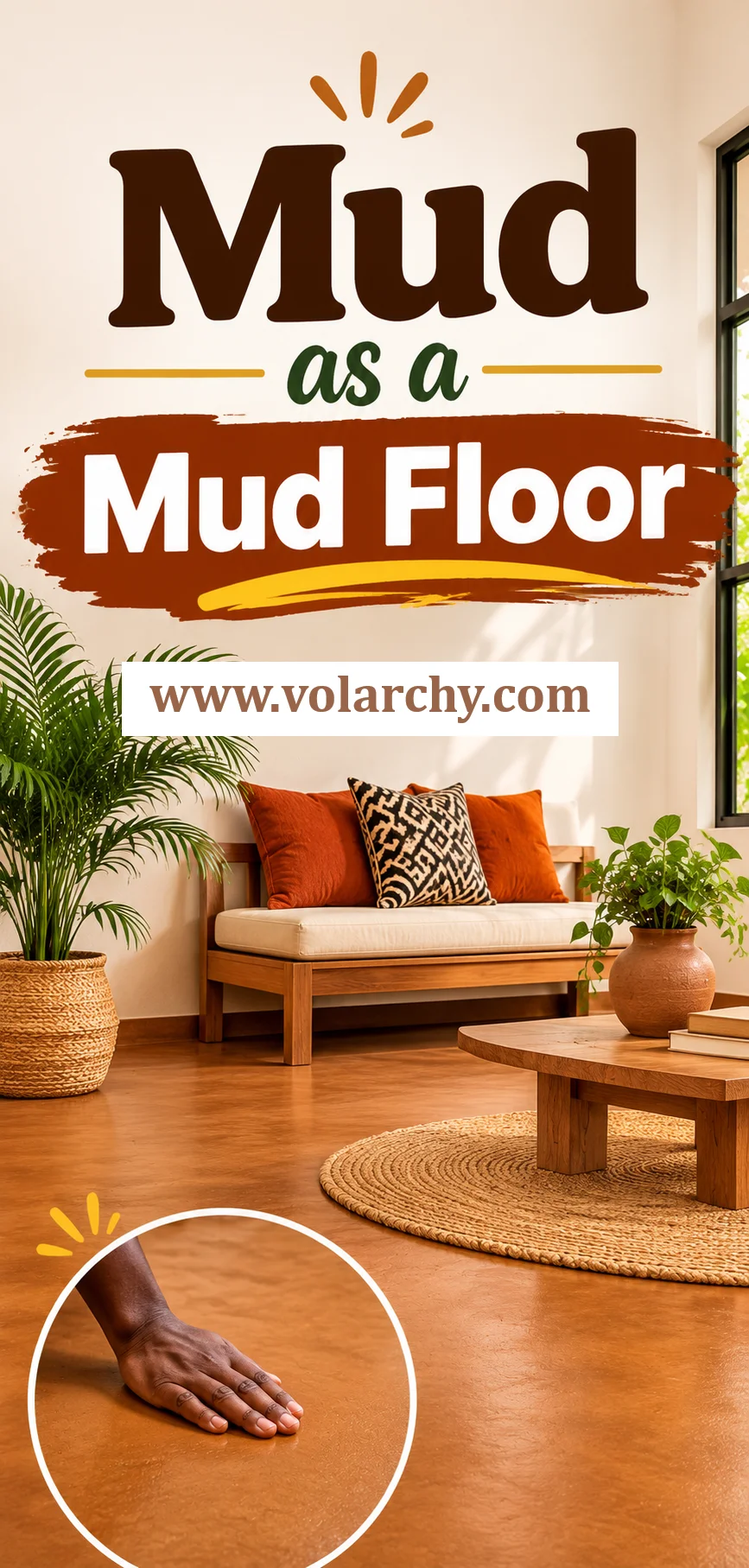

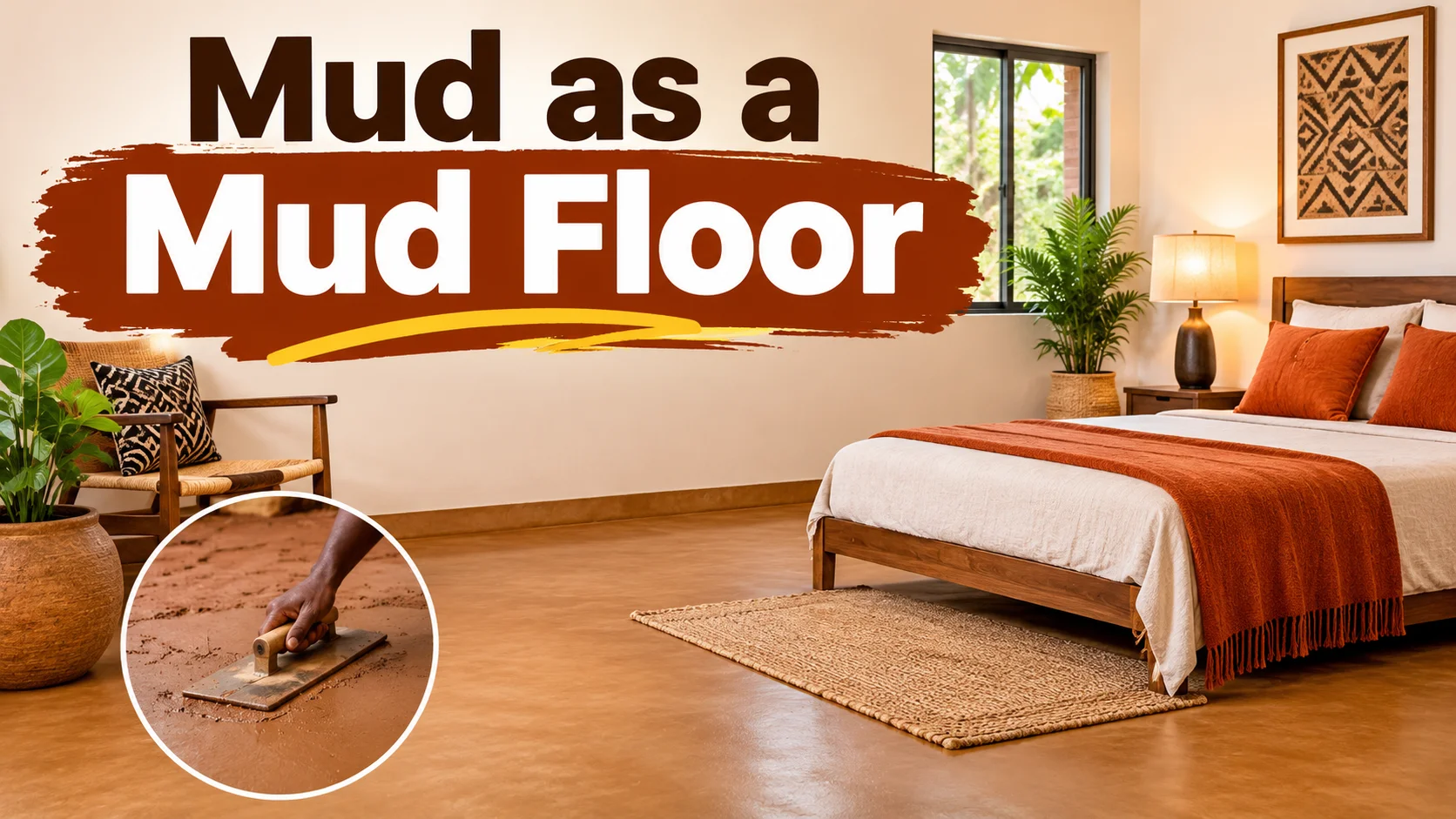
Mud as a Mud Floor.
We are so used to seeing and using ceramic tiles, marble, granite, resin, terrazzo or polished concrete floors that the idea of having an earth floor in a modern home might seem a little unusual. But think about it for a moment. Imagine walking into a bedroom with a natural earth floor. It gives this warm, grounded and almost calming effect. It brings a different kind of character into a space, one that is difficult to replicate with conventional floor finishes.
Now, when I say mud floor, I’m not talking about simply spreading wet soil around the room, smoothing it out and waiting for it to dry. There is actually a process involved in preparing an earthen floor, and the quality of the finished floor depends on getting that process right.
The soil needs to be suitable for the purpose, properly prepared and adequately compacted to create a stable surface. Depending on the type of soil available, other materials may need to be introduced to improve its composition and performance.
Just like with mud plastering, you cannot assume that any soil will do. The proportions of laterite, clay, sand or stone matter because they influence how the floor behaves as it dries and how well it holds together over time.
Too much clay can result in excessive shrinkage and cracking, while a poorly balanced mixture may not provide the strength and stability required. The floor also needs an appropriate top-surface finishing treatment to reduce dusting, improve durability and make it easier to maintain, for instance, cleaning.
Depending on the soil mixture, preparation and finishing technique, you can achieve a colour and texture much cleaner and have a more refined appearance than many people imagine when they hear the words mud floor.
Read Also: How to Effectively Read a Floor Plan like a Pro.
Remember that you don’t have to use it throughout the entire house. You could have earthen floors in the bedrooms while retaining ceramic tiles in the kitchen and bathrooms.

→ Perhaps you prefer an earth floor in your living room but want conventional concrete around the entrance.

→ You could even experiment with it in; a reading room,

→ a courtyard or
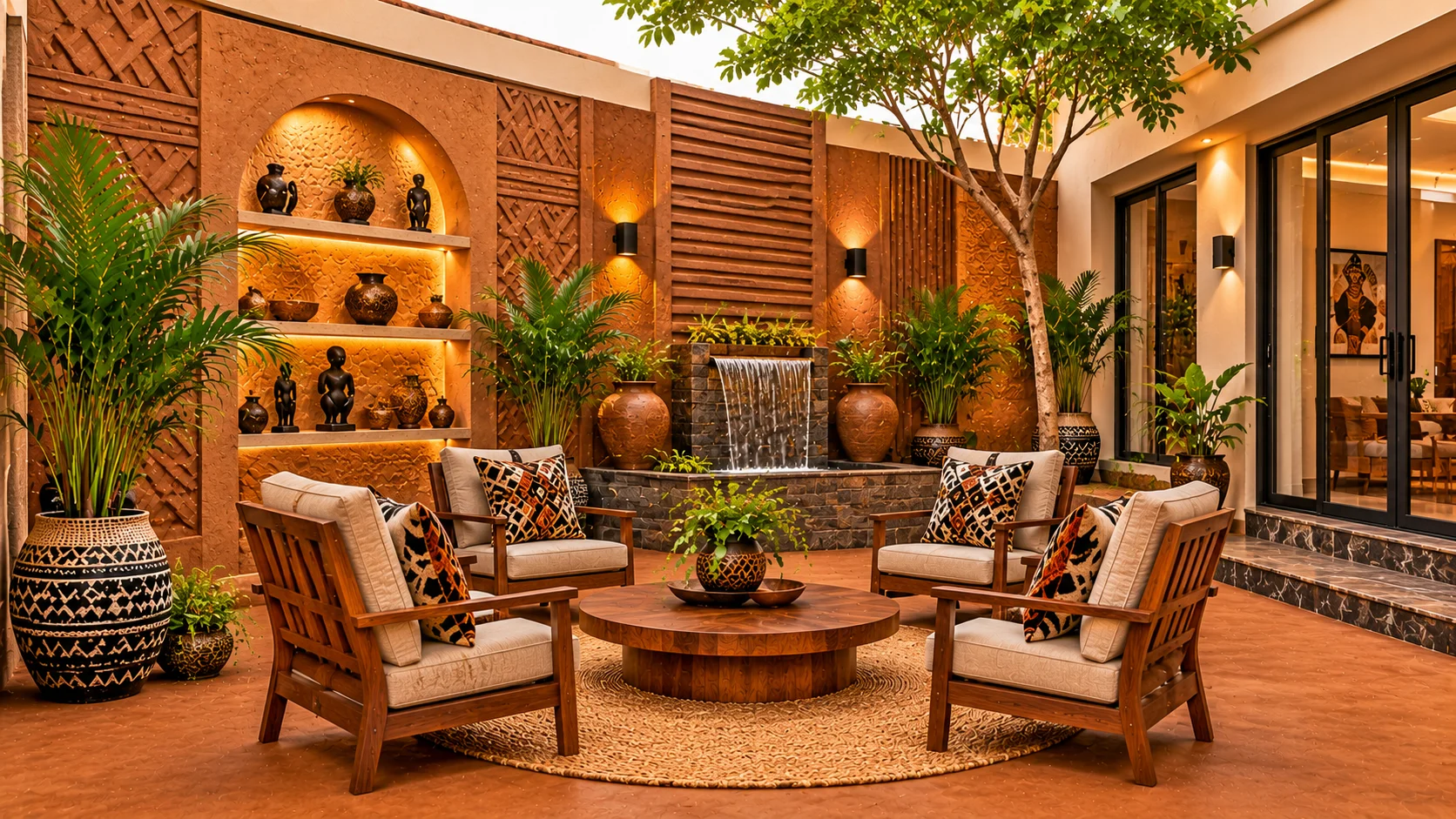
→ a private relaxation space where you want a more natural, grounded atmosphere.

Of course, the suitability of an earthen floor will depend on how the space is used. Areas that are frequently exposed to water will require particular attention, the condition of the ground beneath it and how well the floor is protected against moisture. This is why getting the right technical advice and workmanship is important, especially if you are trying it for the first time.
In the next post, we’ll look at another way you can introduce mud into your home.
***
Don’t want to do this by yourself? Send us a message on WhatsApp, and let’s explore how to make it work for your space.
Pin 📌 Post for later!